Medical conditions
Understanding breast cancer: the best books to read after a diagnosis
Start with Dr. Susan Love's Breast Book for a thorough, plain-language reference, in its newest edition. Add The Breast Cancer Survival Manual or The New Generation Breast Cancer Book to prepare for appointments. When you want company more than facts, try Audre Lorde's The Cancer Journals. Your care team remains the guide to your own case.
By BookPounce | Updated
What is breast cancer, in plain words?
Breast cancer starts when cells in breast tissue change and grow out of control, often forming a tumor [1]. Some breast cancer stays where it began, which doctors call in situ. Invasive breast cancer has spread into nearby tissue, and it can also reach lymph nodes or other parts of the body [1].
The types are named for the cells where the cancer starts. Ductal carcinoma begins in the milk ducts and is the most common type. Lobular carcinoma begins in the glands that make milk. Inflammatory breast cancer and Paget's disease of the breast are rare forms [1].
It mostly affects women, but men can get it too. About 0.5 to 1% of cases occur in men [2]. Most women who develop it have no known risk factor that they could have changed, beyond their sex and age [2]. A diagnosis is not a verdict on how you lived.
Two people with breast cancer can have very different diseases. Doctors may test the cancer cells for hormone receptors and a protein called HER2, and they use staging to see whether the cancer has spread [1]. Keep this in mind as you read. A book can explain the words, but it cannot tell you what your results mean for you.
When should you see a doctor about breast changes?
See a doctor if you notice a lump or swelling in your breast, chest or armpit, or any change in your breasts or nipples that is not normal for you [3]. You do not need to be sure that something is wrong before you book.
Changes worth checking include skin that dimples or changes colour, a new size or shape, nipple discharge, and a nipple that turns inward or develops a rash [3]. Thickening in part of the breast and flaky skin are also warning signs [4].
Breast pain on its own is not usually a symptom of breast cancer [3]. Still, the NHS advises seeing a GP if you have breast or armpit pain and a family history of breast or ovarian cancer [3]. Many of these changes have other causes, and only a medical check can sort them out [3][4].
If you already have a diagnosis, contact your care team about new or worrying changes rather than looking for the answer in a book. Your feelings count too. If sadness, hopelessness or loss of interest lasts more than two weeks, tell your doctor [6]. If you have thoughts of suicide, get emergency help right away. In the United States, you can call or text 988 [6].
Which book should you read first after a diagnosis?
For one broad reference, choose Dr. Susan Love's Breast Book. It first appeared in 1990 and has been revised several times since. You do not need to read it from cover to cover. Use the contents and index, find the part that matches your question, and stop there.
If a large book feels like too much, The Breast Cancer Survival Manual by John Link offers a more compact, step-by-step route. The New Generation Breast Cancer Book by Elisa Port, a breast surgeon, is another good choice when you want help sorting through a flood of information.
Check the edition date before you buy any medical guide. Knowledge about breast cancer changes, and an old copy from a shelf or a friend may be out of date.
It also helps to have your pathology report beside you. This is the report written by a doctor who examines your tissue under a microscope. It can include the type of cancer, its grade, and whether lymph nodes contain cancer [5]. Circle the words you do not know. Look them up, then write down what you still want to ask. You can also talk to your doctor about getting a second opinion on the pathology [5].
Which memoirs help when you want another person's voice?
Guides explain the disease. Memoirs show what it can be like to live with it. Both are useful, and you may want them at different times.
The Cancer Journals by Audre Lorde, first published in 1980, is a short and fierce book by a poet. Lorde writes about fear, the body, identity and the right to speak openly. The Undying by Anne Boyer, from 2019, is also by a poet. It mixes personal experience with sharp questions about money, work and the way society talks about illness. It is intense, so choose your moment.
Cancer Vixen by Marisa Acocella Marchetto tells the story as a graphic memoir. The pictures and humour can be easier to take in when long pages of text are hard to face.
Remember that a memoir is one person's experience. The author's type of cancer, care, side effects and outcome may be nothing like yours. Some books also describe death and loss. You can skip a chapter or put a book down for good.
Feeling fear, anger, sadness, hope or gratitude can all be part of life after a cancer diagnosis, and these feelings can shift quickly [6]. Writing or talking about them may help [6].
Which books explain the history behind breast cancer care?
Some readers feel steadier when they know how today's ideas came about. If that sounds like you, three books are worth your time.
Radical by Kate Pickert is a journalist's account of the science and history of breast cancer, informed by the author's own diagnosis. It is a readable bridge between memoir and reporting.
The Breast Cancer Wars by Barron H. Lerner, a physician and historian, looks at how doctors, patients and campaigners in twentieth century America argued about the disease. It shows why medical advice has been debated and why it has changed.
The Emperor of All Maladies by Siddhartha Mukherjee is a long history of cancer as a whole. Breast cancer is one important thread in it. The book helps you see how research builds slowly, with wrong turns as well as progress.
These are not guides to your own care. History books describe methods that doctors may no longer use, and some passages are hard to read. Many people prefer to save them for later, when the first rush of appointments has passed. Others find that context calms them from the start. Either choice is fine. A family member or friend may also like one of these, as a way to understand what you are facing.
How can you read without feeling overwhelmed?
Begin with one question, not one whole book. For example, you might want to know what a word on your report means, or what to ask at your next visit. Read until you have enough, then stop.
Keep a notebook with two lists. Put facts you have understood in the first. Put questions for your care team in the second. Bring the notebook to appointments, and ask someone you trust to come with you and take notes if that helps.
Be careful with numbers. Survival figures describe large groups of people. They cannot say what will happen to you, and older books may reflect older care. You are allowed to skip those pages.
Check what you read against trusted health sources such as MedlinePlus, the NHS and the World Health Organization [1][2][3]. If a book promises a simple fix or tells you to ignore your doctors, set it aside.
Reading is only one kind of support. Learning about your illness and asking your care team questions can help you cope, and so can support groups, counsellors and faith communities [6]. It is also fine to read a novel about something else entirely. Rest counts.
Books to read

Dr. Susan Love's breast book
A thorough reference on breast health and breast cancer, written for patients rather than doctors. It suits you if you like full explanations and want one book to return to as new questions come up. Look for the newest edition, and read only the chapters you need.

The breast cancer survival manual
A compact, step-by-step guide by a cancer doctor for people who are newly diagnosed. It helps you make sense of the terms and prepare questions before appointments. It suits readers who want a shorter starting point than a large reference. Choose the most recent edition you can find.

The new generation breast cancer book
A breast surgeon walks you through diagnosis and the decisions that often follow, with attention to the flood of conflicting information patients meet. It suits you if you want a calm, organised voice. Check newer points with your care team, since knowledge moves on after publication.
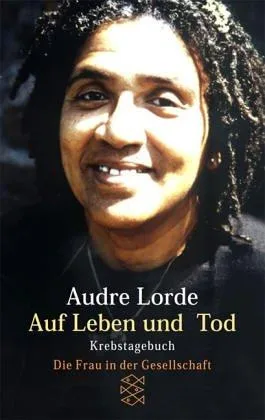
The Cancer Journals
A short, powerful account by a poet who writes openly about fear, anger, the body and identity after breast cancer. It suits readers who want honesty rather than forced cheerfulness. Read it for company and reflection, not for medical information, which reflects an earlier time.
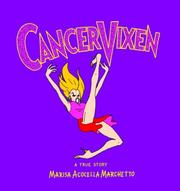
Cancer Vixen
A graphic memoir that follows a cartoonist through diagnosis and treatment with colour, wit and candour. It suits you if concentration is hard right now or if humour helps you cope. Remember that it is one person's experience, and yours may look very different.
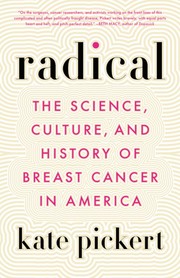
Radical
A journalist looks at the science, history and culture of breast cancer, informed by a personal diagnosis. It suits readers who want to understand why care looks the way it does today. It offers context and reporting, so use it alongside a practical guide rather than instead of one.
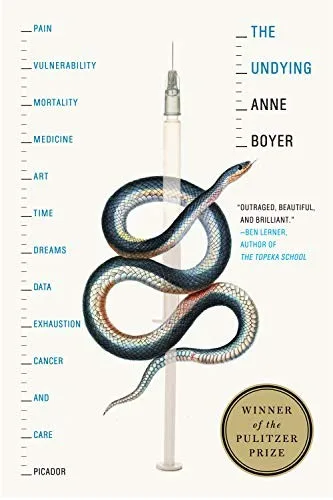
The Undying
A poet's searching account of breast cancer that also questions how work, money and public language shape the experience of illness. It suits readers who want ideas and anger as well as personal story. The tone is intense, so you may prefer to wait until you feel ready.

The breast cancer wars
A physician and historian traces the arguments over breast cancer in twentieth century America, among doctors, patients and campaigners. It suits readers who want to know how medical opinion forms and changes. It is a history, not a guide to current care.
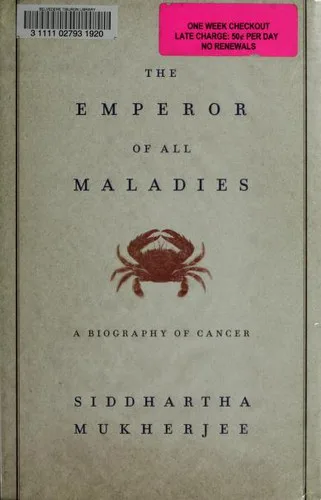
The Emperor of All Maladies
A long, vivid history of cancer and the research around it, with breast cancer as one of its important threads. It suits curious readers, and relatives, who want the wider picture. Some passages are heavy, and the science has moved on since it appeared.
Questions readers ask
What is the best first book after a breast cancer diagnosis?
Dr. Susan Love's Breast Book is a strong first choice if you want a detailed reference. If that feels too large, try The Breast Cancer Survival Manual by John Link or The New Generation Breast Cancer Book by Elisa Port. Pick the newest edition and read the parts that match your questions.
Are there books about breast cancer that are not medical guides?
Yes. The Cancer Journals by Audre Lorde and The Undying by Anne Boyer are reflective accounts by poets. Cancer Vixen by Marisa Acocella Marchetto is a graphic memoir with plenty of humour. Each tells one person's experience, so read them for company and perspective rather than as advice about your own care.
Can men get breast cancer?
Yes. Men have breast tissue and can develop breast cancer, although it is uncommon. The World Health Organization says about 0.5 to 1% of breast cancer cases occur in men. Anyone who notices a new lump or an unusual change in the chest or nipple should see a doctor to have it checked.
Should I read everything I can about my diagnosis?
You do not have to. Some people want every detail, while others prefer a little at a time. Start with one question, use a recent and trusted source, and stop when you have enough. Write down anything that worries you and take it to your care team, who know your results.
Sources
- Breast Cancer. MedlinePlus, National Library of Medicine. Accessed 2026-11-29.
- Breast cancer fact sheet. World Health Organization. Accessed 2026-11-29.
- Symptoms of breast cancer in women. NHS. Accessed 2026-11-29.
- Symptoms of Breast Cancer. Centers for Disease Control and Prevention. Accessed 2026-11-29.
- Pathology Reports. National Cancer Institute. Accessed 2026-11-29.
- Emotions and Cancer. National Cancer Institute. Accessed 2026-11-29.