Medical conditions
Understanding high blood pressure: the best books to start with
Good starting books are Mayo Clinic on High Blood Pressure by Sheldon G. Sheps for a broad overview, High Blood Pressure for Dummies by Alan L. Rubin for plain explanations, and The DASH Diet Action Plan by Marla Heller for food. Use books to understand the condition, and your doctor for personal decisions.
By BookPounce | Updated
What is high blood pressure, in plain words?
Blood pressure is the force of your blood pushing against the walls of your arteries as your heart pumps [2]. High blood pressure, also called hypertension, means that force stays too high [2].
A reading has two numbers. The top one, systolic pressure, is the pressure when your heart beats. The bottom one, diastolic pressure, is the pressure while your heart rests between beats [3].
Where the line falls depends on the guideline. The World Health Organization (WHO) uses 140/90 or higher, measured on two different days [1]. US sources such as MedlinePlus call 130 to 139 over 80 to 89 stage 1 high blood pressure, and 140 or 90 and above stage 2 [3]. So a book from one country, or from an earlier decade, may draw the line in a different place.
The condition is very common. WHO estimates that about 1.4 billion adults aged 30 to 79 had hypertension in 2024, and about 600 million of them did not know it [1].
Why does high blood pressure matter if you feel fine?
Most people with high blood pressure notice nothing at all [1][2]. You can feel well, work, sleep and exercise while your readings stay high. Measuring is the only way to know [2].
Over time, uncontrolled pressure can harm several organs. WHO lists chest pain, heart attack, heart failure and irregular heartbeat among the risks to the heart. It also lists stroke and kidney damage that can lead to kidney failure [1].
Some risk factors are outside your control, such as age, family history and some other health conditions [1][2]. Others relate to daily life. These include a diet high in salt, little physical activity, tobacco, heavy drinking and excess body weight [1][2].
Doctors also separate two types. Primary hypertension is the most common and usually develops with age. Secondary hypertension comes from another medical condition or from certain medicines [3]. This difference is worth knowing before you read, because a general lifestyle book may say little about the second type.
How is blood pressure checked and diagnosed?
A health worker usually measures your pressure with a cuff around your arm [3]. One high number does not settle the question. Blood pressure changes through the day, so care teams often look at readings from more than one visit [2][6].
Some people read higher in a clinic than at home, often from nerves. This is called white coat hypertension. The reverse also happens: readings look normal in the clinic but run high elsewhere, which is called masked hypertension [6]. Home readings can help a doctor spot both patterns [6].
If you measure at home, the National Heart, Lung, and Blood Institute (NHLBI) advises a validated device. It also describes sitting quietly for at least five minutes first, with feet flat and your arm at heart level [6].
The NHS uses a slightly lower line for home readings, 135/85, than for readings taken by a professional, 140/90 [4]. Your doctor can tell you which numbers apply to you and what they mean alongside your age and health history.
What does research say about food and daily habits?
The best known eating pattern in this field is DASH, short for Dietary Approaches to Stop Hypertension. NHLBI describes it as a flexible plan rich in vegetables, fruits and whole grains. It includes low-fat dairy, fish, poultry, beans and nuts, and limits saturated fat, sweets and sugary drinks [5].
A key trial appeared in 1997. It studied 459 adults for eight weeks after a three-week run-in period. Compared with a control diet, the combined DASH-style diet lowered systolic pressure by 5.5 mm Hg and diastolic pressure by 3.0 mm Hg on average [7]. Salt intake and body weight were held steady, so the change came with the eating pattern itself [7]. These are group averages, and your own response may differ.
WHO also points to less salt, regular physical activity, not using tobacco, limiting alcohol and managing weight [1]. MedlinePlus notes that lifestyle changes may be enough for some people, while others also need medicines, sometimes more than one [3]. Which applies to you is a decision to make with a doctor.
When should you see a doctor about blood pressure?
Book a check if you do not know your numbers, especially if high blood pressure runs in your family or you have other risk factors. The NHS advises a check for people aged 40 or over who have not had one in more than five years [4]. Your doctor may suggest checking more often.
See a doctor if home or pharmacy readings are repeatedly high, even when you feel well. Bring a written record of the readings, with dates and times. Also bring a list of everything you use, including supplements, and raise any questions that came up while reading.
Some situations are urgent. CDC says a reading above 180/120 with symptoms such as chest pain, shortness of breath, back pain, numbness, weakness, vision changes or difficulty speaking is an emergency, and to call 911 in the United States [2]. Elsewhere, call your local emergency number.
A very high reading without symptoms also needs prompt medical advice [6]. Pregnancy is another reason to talk with your care team early about blood pressure.
How did doctors learn to measure and understand it?
For a long time, doctors had no easy way to measure pressure in everyday practice. In London in the early 1870s, Frederick Mahomed used a spring-based device on people and found high pressure in some who showed no protein in the urine, a common sign of kidney disease [8].
The big change came in the 1890s. Scipione Riva-Rocci developed an arm cuff linked to a mercury gauge. Nikolai Korotkoff's method of listening to sounds below the cuff then made it possible to measure diastolic pressure too [8].
Insurance companies noticed early that high readings went with higher death rates, from around 1906 [8]. Later, the Framingham study and other population research in the 1960s suggested that even mild hypertension raises the risk of heart attack, heart failure, stroke and kidney damage [8].
This history helps you read older books with care. Cut-off numbers and advice have shifted over the years, so check the publication date and compare with current guidance.
Which kind of book should you start with?
Match the book to your question. If you want to know what the diagnosis means, begin with a general guide such as the Mayo Clinic or For Dummies title. If your question is mostly about meals, a DASH book gives you recipes, servings and planning ideas. If you wonder why packaged food tastes so salty, Michael Moss offers a reporter's view of the food industry. If you study or work in health care, the Braunwald companion goes much deeper.
Keep two cautions in mind. First, several of these books are more than ten years old, so their thresholds and medicine information may be out of date. Look for the newest edition and compare it with sources such as WHO, CDC or the NHS. Second, some subtitles make bold promises. Treat them as marketing, not as a forecast for your body. Never change prescribed care because of a book. Take the idea to your doctor first and decide together.
Books to read

Mayo Clinic on High Blood Pressure
A broad, calm overview from a Mayo Clinic specialist. It suits readers who have just heard the word hypertension and want to understand readings, risks and the kinds of care doctors discuss. It is an older book, so check numbers and medicine details against current guidance.

High blood pressure for dummies
Written by a doctor in the familiar For Dummies style, with short parts you can dip into. It suits readers who want plain explanations of causes, effects on the body and daily habits without reading from cover to cover. Compare its thresholds with newer guidelines.

The DASH diet action plan
A dietitian turns the DASH eating pattern into meal plans and practical food choices. It suits readers who understand the idea of DASH but want help putting meals together. If you have kidney disease, diabetes or another condition, check any eating plan with your care team.
Blood pressure down
A nutrition expert sets out a step-by-step plan built around particular foods and daily habits. It suits readers who like structure and want to see how food changes might fit into a week. Read its bold subtitle with caution, and do not use it to replace medical care.
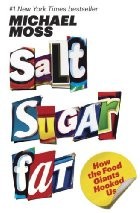
Salt Sugar Fat
A journalist's account of how large food companies use salt, sugar and fat in processed products. It is not a blood pressure manual, but it helps you see where much of the modern diet comes from. It suits curious readers who like reporting and business stories.

Hypertension : a Companion to Braunwald's Heart Disease
A clinical reference, edited with Matthew J. Sorrentino, covering the science, diagnosis and management of hypertension in detail. It suits medical students, clinicians and very determined readers. It is technical and costly for casual use, and newer guidelines may have appeared since this edition.
Questions readers ask
What is the best book on high blood pressure for beginners?
Mayo Clinic on High Blood Pressure and High Blood Pressure for Dummies are both sensible first reads because they explain the basics in everyday language. Pick whichever style you find easier. Both are older titles, so confirm current thresholds and medicine information with your doctor or an official health website.
Which book explains the DASH diet?
The DASH Diet Action Plan by Marla Heller focuses on meal planning. The DASH Diet for Hypertension by Thomas J. Moore explains more of the research background. The National Heart, Lung, and Blood Institute also has a free online description of the eating plan, which is a useful check on any book.
What blood pressure reading is considered high?
It depends on the guideline. WHO and the NHS use 140/90 or higher for readings taken by a health professional. US sources such as CDC and MedlinePlus count 130/80 and above as stage 1 high blood pressure. Your doctor can explain which target fits your health.
Can you have high blood pressure without symptoms?
Yes. Most people with high blood pressure have no symptoms, which is why many do not know they have it. Feeling well does not tell you your numbers. A check at a clinic, pharmacy or with a validated home monitor is the way to find out.
Can a book replace seeing a doctor about blood pressure?
No. A book can help you understand terms, prepare questions and learn about food and daily habits. It cannot measure your pressure over time, look for causes or check your organs. It also cannot weigh your other conditions or medicines. Bring what you read to your appointment.
Sources
- Hypertension (fact sheet). World Health Organization. Accessed 2026-11-29.
- About High Blood Pressure. Centers for Disease Control and Prevention. Accessed 2026-11-29.
- High Blood Pressure. MedlinePlus, National Library of Medicine. Accessed 2026-11-29.
- High blood pressure. NHS. Accessed 2026-11-29.
- DASH Eating Plan. National Heart, Lung, and Blood Institute. Accessed 2026-11-29.
- High Blood Pressure: Diagnosis. National Heart, Lung, and Blood Institute. Accessed 2026-11-29.
- A clinical trial of the effects of dietary patterns on blood pressure. New England Journal of Medicine (PubMed record). Accessed 2026-11-29.
- The discovery of hypertension: evolving views on the role of the kidneys, and current hot topics. American Journal of Physiology - Renal Physiology. Accessed 2026-11-29.