Faith and traditions
What are the best books about the lives of Christian saints?
Start with James Martin's My Life with the Saints for a personal introduction, or Robert Ellsberg's All Saints for daily short lives. Read Thérèse of Lisieux's Story of a Soul to hear a saint's own voice. Add The Oxford Dictionary of Saints for reference, and Peter Brown's The Cult of the Saints for history.
By BookPounce | Updated
Which book about the saints should you read first?
Your best first book depends on what you want from it.
If you want company and a warm voice, choose My Life with the Saints. James Martin, a Jesuit priest, writes about holy people through the story of his own life. You learn about the saints and also see how one modern reader relates to them.
If you like to read a few pages a day, choose All Saints by Robert Ellsberg. It is arranged as daily reflections, and it reaches beyond the official lists to other people of faith.
If you want one life told as a single story, try G. K. Chesterton's Saint Francis of Assisi. It is short, lively and openly argumentative.
If you want a saint in her own words, read Story of a Soul. Thérèse of Lisieux died in 1897, and her autobiography appeared in French the next year [9]. Pope Pius XI canonized her in 1925, and Pope John Paul II declared her a Doctor of the Church in 1997 [9].
For quick facts about a name, a feast day or a patronage, keep a dictionary of saints nearby.
Still unsure? Think about how you like to read. Pick the memoir if you enjoy a personal voice, the daily reflections if your time is short, and the single biography if you want to stay with one person. You can always add the others later.
How did Christians begin writing the lives of saints?
Some of the earliest accounts concern martyrs, people who died for their faith. The Martyrdom of Polycarp is a letter from the church at Smyrna about the death of its bishop. Its writers say they gathered his bones, put them in a fitting place and hoped to meet there to mark the anniversary of his martyrdom [2]. You can see in it the seed of a saint's feast day.
Another kind of holy life followed in the desert. Athanasius, bishop of Alexandria, wrote a Life of Antony for monks who had asked how Antony began, how he lived and how he died. They wanted a model to imitate, and Athanasius offered one [3].
That purpose matters when you read old lives. Many were written to teach, to encourage prayer and to inspire imitation. They tell of virtues, struggles and miracles as the believing community received them. They are not always trying to do what a modern biography does. Read them first on their own terms, then turn to a historian if you want to ask what can be dated and checked.
As you read, you might ask two simple questions. Who was this account written for? What did the writer hope those readers would do after hearing it? The answers often explain why some moments get so much space.
What are the Golden Legend and the Bollandists?
The Golden Legend is the great medieval collection of saints' lives. Jacobus de Voragine, who later became Archbishop of Genoa, compiled it sometime before 1267. It was also one of the early books printed in English by William Caxton [8]. If you have ever wondered why a saint in a painting holds a certain object or stands beside a certain animal, this book is a good place to look for the story.
Read it as a window into what medieval Christians told and loved. It mixes memory, preaching and wonder, so do not treat every episode as a historical report.
A very different project began in the seventeenth century. Heribert Rosweyde, a Jesuit, planned to publish the old texts about the saints in their original form. John van Bolland took over the work and widened it. The first volumes of the Acta Sanctorum, for January, appeared in 1643 [7]. The editors, known as Bollandists, added studies of each text's author and historical value, and compared manuscripts [7]. Their method helped shape the careful study of saints' lives.
How do different churches recognise and remember saints?
Churches understand saints in different ways, and knowing this helps you choose books.
In the Catholic Church, a candidate may be named Servant of God, then Venerable, then Blessed, then Saint [1]. A miracle is normally required for beatification, though not for martyrs, and a further one for canonization. The pope may waive these requirements [1].
The Orthodox Church in America teaches that the Church does not make a saint, since only God can do that. It recognises holiness, and its Holy Synod decides on formal glorification. Miracles are not strictly required [5].
The Lutheran Augsburg Confession says saints may be remembered so that believers follow their faith and good works. It also teaches that Scripture does not teach praying to them for help, and points to Christ as the one Mediator [4].
Formal procedures came gradually. Early Christians honoured saints locally. The first recorded papal canonization was that of Ulrich of Augsburg in 993 [6].
So when a book calls someone a saint, check which church or tradition the author is speaking from. The word may carry a formal title, a local memory or a broader sense of a holy life.
How can you read saints' lives with both faith and care?
You can read these books as a believer, a student or a curious neighbour. A few habits help.
First, notice who is writing. A saint's own memoir, a friend's account, a medieval preacher's collection and a modern historian each answer different questions.
Second, check the distance in time. A life written soon after a death may differ from one written centuries later. Good reference books often tell you what early evidence survives and what comes from later legend.
Third, separate meaning from proof. A miracle story may express what a community believes about God and about the person. A history book may ask what the story did in that society. Peter Brown's work is a strong example of this second approach.
Finally, read more than one tradition. Catholic, Orthodox, Anglican and Protestant writers may stress different things. Hearing each in its own words gives you a fuller picture.
A simple path is one memoir, then one biography, then one work of history, with a dictionary beside you. Go at your own pace. It is fine to pause on one life, return to it later and notice something you missed the first time.
Books to read

My life with the saints
A Jesuit priest introduces saints and holy people through his own life. The tone is personal, funny in places and easy to follow. It suits you if you are new to the subject, unsure what saints mean to ordinary people, or want a companion more than a reference book.

All saints
Short daily reflections on saints, prophets and witnesses, including people who are not formally canonized. It suits readers who like a few pages each morning or evening. You will meet familiar names beside unexpected ones, and you can open it on any date without reading in order.

Story of a Soul
The autobiography of a young Carmelite nun, known for her little way of trust and love in small things. It first appeared in French in 1898, and the year listed here reflects the catalogue record used. It suits readers who want a saint's inner life in the first person.
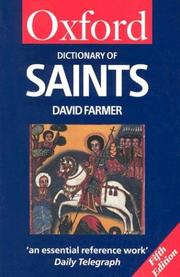
The Oxford dictionary of saints
A compact reference with entries on many saints, especially useful for those venerated in Britain and Ireland, along with major figures from elsewhere. Use it to check dates, feast days and the background of a story. It suits students, writers, visitors to old churches and curious readers.
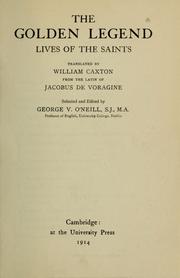
The golden legend
The medieval collection of saints' lives, compiled in the thirteenth century. The year listed reflects the catalogue record, not the date of writing. It suits readers interested in Christian art, literature and devotion. Dip into it by saint, and read the marvels as medieval Christians passed them on.

Making Saints
A journalist examines how the Catholic Church decides who is a saint, with attention to the people, evidence and debates behind particular causes. Read it if you want to understand the process. Bear in mind that it predates later changes, so check current rules with Church sources.
Questions readers ask
What is the best book about saints for a beginner?
My Life with the Saints by James Martin is a friendly place to begin. It introduces holy people through one writer's own experience, so you do not need background knowledge. If you prefer very short readings, choose Robert Ellsberg's All Saints and read one entry a day at your own pace.
What is hagiography?
Hagiography is writing about the lives and veneration of saints. It includes early accounts of martyrs, lives such as Athanasius's Life of Antony and medieval collections such as the Golden Legend. Many such works aim to inspire faith and imitation, so they can read quite differently from a modern critical biography.
Do all Christians pray to saints?
No. Catholic and Orthodox Christians commonly ask saints to pray for them. Some other churches remember saints as examples without invoking them. The Lutheran Augsburg Confession, for instance, encourages remembering saints so that believers may follow their faith and good works, while teaching that Scripture does not teach calling on them for help.
How does someone become a saint in the Catholic Church?
A cause usually moves through the titles Servant of God, Venerable and Blessed before canonization as Saint. Investigators examine the person's life, and the pope recognises heroic virtue or the offering of life. Miracles are normally part of the later steps, with different rules for martyrs, and the pope can waive requirements.
Sources
- Saints. United States Conference of Catholic Bishops. Accessed 2026-11-29.
- The Martyrdom of Polycarp. New Advent, Church Fathers translation. Accessed 2026-11-29.
- Life of St. Anthony, by Athanasius. New Advent, Church Fathers translation. Accessed 2026-11-29.
- Augsburg Confession, Article XXI: Of the Worship of Saints. Book of Concord. Accessed 2026-11-29.
- The Glorification of the Saints in the Orthodox Church. Orthodox Church in America. Accessed 2026-11-29.
- Canonization. Orthodox Church in America. Accessed 2026-11-29.
- The Bollandists. Catholic Encyclopedia, New Advent. Accessed 2026-11-29.
- Jacobus de Voragine: The Golden Legend. Internet Medieval Sourcebook, Fordham University. Accessed 2026-11-29.
- Apostolic Letter Divini Amoris Scientia. The Holy See. Accessed 2026-11-29.